
This is a series originally created in LinkedIn and Medium, where we start to define the term “Teaming Behaviors,” which is in direct opposition to “Team Building.”
This is a new concept in creating high-functioning, adept, transformational teams. These are teams that don’t get stuck in the weeds and go on to become highly exceptional and mature in the outcomes of their work.
For the previous post in the series, click here:
Our Errant Past
Studying teams and how teams work together is a relatively new field in Organizational Development: we’ve only been studying teams for about the last 100 years. Before that, we studied organizations and individual development separately (especially the development of managers), but not much on how teams of people worked together.
Unfortunately for us as humans, we entered a relatively dark period during the 2nd Industrial Revolution of 1870 – 1914 when Frederick Winslow Taylor’s “Scientific Management” aspects put an intellectual wedge between management and workers, saying that managers had higher intelligence and were the only ones capable of enforcing standardization. Taylor famously said, “Menial tasks were fit only for ‘stupid [people]’…who more nearly resembled the mental make-up of an ox.”
Although Taylor’s views (dubbed “Taylorism”) of people increased shop output during America’s building boom, it never valued the workers themselves, who grew resentful and created large labor strikes during this same period, some of which were deadly.
Production was king; not the workers.
Everything revolved around gaining more output, while the people working the machines suffered unimaginable horrors in maiming and death inside their workplaces. They also had absolutely no input into how they performed their jobs in a way that would help them or their organizations, and there was largely no such thing as employee benefits.
The First Teaming Studies Were Done By Accident
Teaming studies, as we know them today, started with Western Electric’s Hawthorne Studies from 1924 to 1932. In this short period of time, we went from viewing “man as machine” (Taylorism) to focusing on ways of improving individual performance by influencing workers’ social contexts with coworkers and their surroundings.
The Studies first premised that individual output would improve if the workers’ environments improved, first with lighting, then with other various adjustments. However, the Studies never proved anything by altering the workers’ environments.
Ultimately, the Hawthorne-Harvard Studies—especially after Harvard professor Elton Mayo joined in 1927 and synthesized earlier findings—proved that workers perform best when they feel a sense of belonging within their group and work in the context of their supportive group settings.
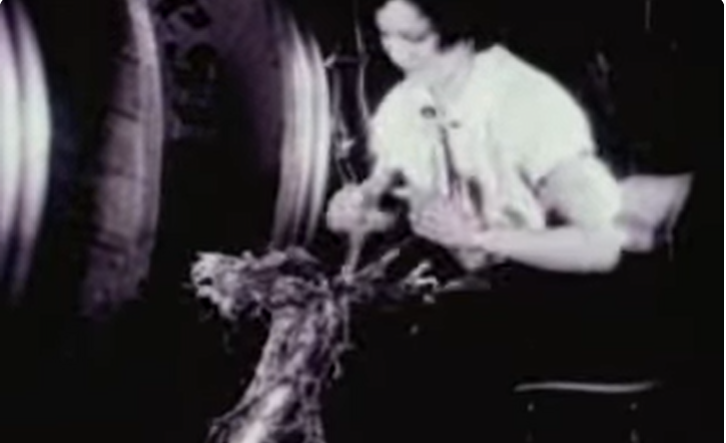
Initially, observing a group of six women in the Relay Assembly Test Room for five years served as the basis for interviewing over 21,000 employees to assess the outcomes of their work relationships and the work they performed. This was the birthplace of modern HR.
Now, the focus of the Studies switched to documenting the teams of people working together: the first Teaming studies.
You can watch an interview with the actual women of the Relay Assembly Test Room and their managers involved in the Hawthorne Studies from AT&T’s Archives (c.1974) to catch this shift in business evolution.
Watch AT&T’s (Western Electric’s parent company) video, “The Year They Discovered People,” which includes cameos of Babe Ruth, Al Capone, Calvin Coolidge, and Charles Lindbergh. (The video is 13 minutes, which you can speed up as needed.


We’ll go further into understanding Teams in the next article.